โœ“ 100% Bonus Depreciation Active (OBBBA) ๐ŸŒด Short-Term Rental Tax Guide

Cost Segregation & Real Estate Tax Savings

How coastal real estate investors use engineering cost seg studies, permanent 100% bonus depreciation, and the Short-Term Rental rules to shelter rental income and legally offset active W-2 earnings.

Important Educational Notice: This guide is prepared strictly for informational purposes and does not constitute tax, legal, financial, or accounting advice. Real estate tax strategies and passive loss rules (IRC ยงยง 168, 469, 1031) depend on your personal filing status, entity structuring, and personal property use. Always consult with a licensed Certified Public Accountant (CPA) or qualified tax attorney before making buying or tax decisions.
Real Numbers & Visual Breakdown

How the Math Works on Real Alabama Beach Properties

Under permanent 100% bonus depreciation, here is what a cost segregation study produces on actual coastal investments in Gulf Shores & Orange Beach.

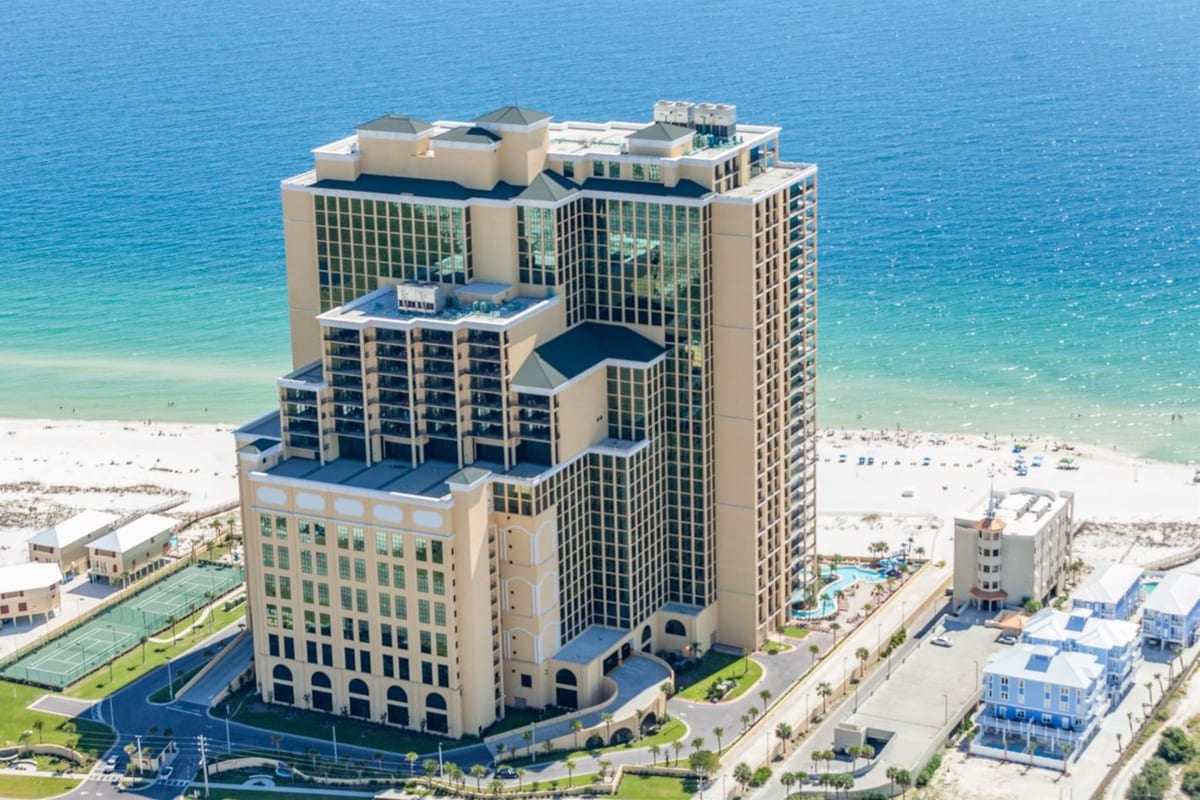
Orange Beach Beachfront Condo
Case Study A Beachfront Condo
$750,000 Orange Beach 2BR Condo
๐Ÿ“ Orange Beach, AL โ€ข Gross Rental Rev: ~$65,000/yr
Year 1 Cash Tax Shield +$63,200
Shelters 100% of cash flow
+ offsets other income
Purchase Price: $750,000
Pro-Rata Land Share (10% non-depreciable): -$75,000
Total Depreciable Basis (90%): $675,000
Illustrative Straight-Line (27.5-Yr Assumption): ~$24,545 / yr
Cost Seg Reclassified (5/15-Yr): $162,000 (24%)
Year 1 Total Accelerated Deduction: $180,654*
Bottom Line: At a 35% federal bracket, a $180K+ Year 1 paper loss puts $63,200 in hard tax savings back into the investor's bank account in year one.
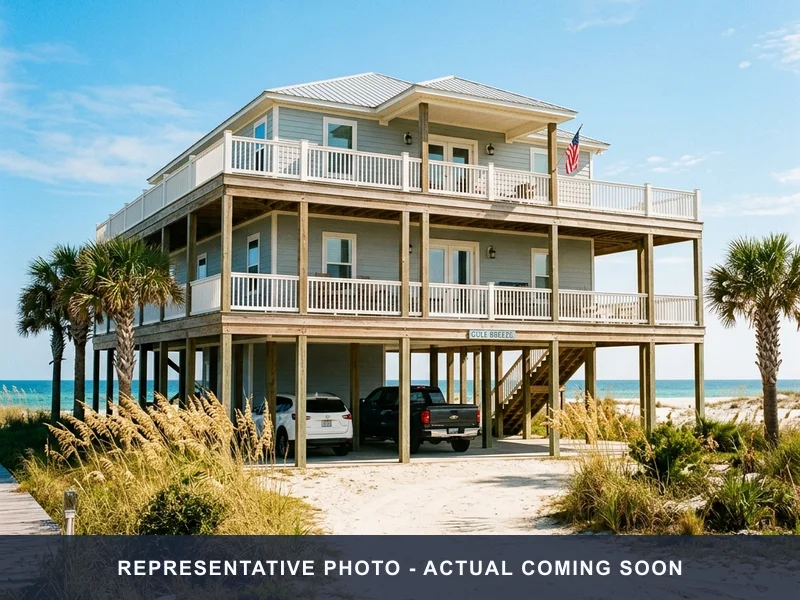
Gulf Shores Single-Family Beach House
Case Study B Single-Family Beach House
$1,350,000 West Beach 5BR House
๐Ÿ“ West Beach (Gulf Shores) โ€ข Gross Rental Rev: ~$125,000/yr
W-2 Federal Tax Reduction +$99,400
Active loss offset against
W-2 / Business earnings
Purchase Price: $1,350,000
Coastal Land Value (35% non-depreciable): -$472,500
Total Depreciable Basis (65%): $877,500
Illustrative Straight-Line (27.5-Yr Assumption): ~$31,909 / yr
Cost Seg Reclassified (Pool/Deck/5-Yr): $245,700 (28%)
Year 1 Total Accelerated Deduction: $268,674*
Bottom Line: For a high-earning W-2 executive in the 37% bracket, a $268K+ Year 1 paper loss shelters the entire beach house profits AND reduces active federal taxes by $99,400+.
๐Ÿ’ก Why Land Allocations Differ on the Coast: Under IRS Treas. Reg. ยง 1.167(a)-5, basis must be split between land and building. In a multi-story condominium tower, the land parcel is divided pro-rata across 100โ€“300 owners (leaving 90%+ in depreciable basis). In contrast, a single-family coastal beach house sits directly on valuable Gulf dirt (typically 30% to 50%+ land value). However, single-family homes often qualify for significant 15-year land improvements (private pools, composite beach boardwalks, paver driveways) that condos cannot separately depreciate.

*Illustrative estimates use a 27.5-year residential-rental assumption and typical coastal property component distributions. A 39-year nonresidential/transient-lodging classification would change the structural depreciation and the Year 1 totals. Actual tax deductions depend on the property's operating facts, a certified engineering study, acquisition date, and personal tax circumstances.

Pillar 1: Accelerated Depreciation

How Cost Segregation Works

Under IRC ยง 168, the building portion is generally depreciated over 27.5 years when it qualifies as residential rental property, or 39 years when it is classified as nonresidential/transient-lodging property. A certified Cost Segregation Study uses an engineering analysis to separate eligible parts of the property basis into shorter 5-year and 15-year MACRS asset classes. The correct building classification depends on the property's facts and should be confirmed by a qualified tax professional.

5-Year Property 100% Bonus
Personal Property

Interior non-structural assets:

๐Ÿ›‹๏ธFurnishings & decor
๐ŸณKitchen appliances & laundry
๐ŸชตLuxury vinyl plank (LVP)
๐Ÿ’กAccent lighting & ceiling fans
๐ŸŽฎArcades, TVs & smart locks
15-Year Property 100% Bonus
Land Improvements

Exterior lot amenities & site work:

๐ŸŠPrivate pools & hot tubs
๐ŸชตComposite decks & boardwalks
๐Ÿš—Paver driveways & sidewalks
๐ŸŒฟFencing & architectural lights
๐Ÿ–Outdoor kitchens & pergolas
27.5- or 39-Year Property CPA Classification
Building Structure

Permanent core building structure:

๐Ÿ Foundation & framing
๐Ÿ›ก๏ธFortified roof & exterior walls
๐ŸšฐMain plumbing & sewer rough-ins
โ„๏ธCentral HVAC air handlers
๐ŸšชSubfloors & exterior doors
Important: the 7-day rule and the depreciation period are separate tax tests. An average guest stay of 7 days or less can cause an activity not to be treated as a rental activity under the passive-loss rules in Treas. Reg. ยง 1.469-1T. It does not, by itself, make the building commercial or select the 39-year depreciation period. IRC ยง 168 separately determines whether the building is 27.5-year residential rental property or 39-year nonresidential/transient-lodging property based on the property's operating facts.
Federal Law Update

100% Bonus Depreciation is Permanently Active

IRC ยง 168(k) โ€ข OBBBA

Under the One Big Beautiful Bill Act (OBBBA) enacted in 2025, 100% Bonus Depreciation has been permanently restored for property placed in service after January 19, 2025. This completely eliminates the old TCJA phase-down and allows coastal real estate investors to write off 100% of all 5-year and 15-year property components in Year 1.

Pillar 2: The STR Tax Advantage

Short-Term vs. Long-Term Rentals: Side-by-Side Matrix

Why can a Short-Term Rental (STR) write off against your active W-2 or 1099 income, while a Long-Term Rental (LTR) gets locked in passive jail?

Tax Dimension โŒ Long-Term Rental (LTR) โœ… Short-Term Rental (STR)
IRS Tax Status Passive Rental
IRC ยง 469 default classification
Active Business
Treas. Reg. ยง 1.469-1T(e)(3)(ii)(A)
Guest Stay Duration 30+ days (Annual/monthly leases) 7 days or less on average
Can Offset W-2 Income? โŒ NO (Losses trapped as passive) โœ“ YES (Deducts directly from active W-2 / business pay)
Real Estate Professional Status (REPS)? Mandatory (REPS ยง 469(c)(7))
Requires 750+ hrs AND >50% of your total working time in real estate
NOT REQUIRED
Excluded from rental definition; no REPS needed
Hours Required 750+ hours/year in real estate trades 100+ hours/year (AND more than any other single person)
Ideal Investor Fit Full-time real estate agents, flippers, full-time landlords High-earning W-2 tech, medical, legal, and corporate executives
Pillar 3: Qualification & Hours

How to Qualify: The 100-Hour Rule Blueprint

Under Treasury Regulation ยง 1.469-5T(a)(3), you qualify for active loss treatment if you meet Test #3 (The 100-Hour Rule):

1
100+ Operational Hours

You participate in the short-term rental activity for more than 100 hours during the tax year.

2
More Than Anyone Else

Your participation is MORE than that of any other single individual (cleaners, co-hosts, or handymen).

Crucial Warning: The Full-Service Property Management Trap

If you hire a traditional full-service property manager who handles all bookings, pricing, and maintenance, that agency will likely log 120 to 150+ hours on your property.

Even if you log 105 hours yourself, because the property manager logged more hours than you, you FAIL the 100-hour test!

The Modern Self-Management Blueprint

How top investors comfortably beat out contractors while spending just 2โ€“3 hours per week:

Step 1: Guest Messaging

Managing guest inquiries, booking approvals, and custom check-in notes via platforms like Hospitable or Guesty.

Step 2: Dynamic Pricing

Reviewing daily rates, event pricing, and minimum stay rules weekly on PriceLabs or Wheelhouse.

Step 3: Vendor Dispatch

Directly hiring separate independent cleaners, pool tech, and handymen so no single vendor exceeds your hours.

Pillar 4: Ongoing Deductions

Master Directory of 14 Standard Rental Tax Write-Offs

Beyond cost segregation, operating a coastal investment property unlocks extensive deductions under IRC ยง 162:

๐Ÿ’ณ Financing & Property Taxes

  • 1. Mortgage Interest (IRC ยง 163): 100% of interest on 1st/2nd mortgages, DSCR loans, or portfolio debt is fully deductible.
  • 2. Property Taxes (No SALT Cap): Baldwin County property taxes (~0.70%) are fully deductible rental business expenses, exempt from personal $10K limits.
  • 3. Insurance Premiums: HO-6 interior, single-family hazard & wind, flood (NFIP), and umbrella liability policies are 100% deductible.
  • 4. HOA & Master Dues: Monthly condo dues covering exterior insurance, building reserves, pool/elevator upkeep, and trash.

๐Ÿงน Property Operations & Turnovers

  • 5. Turnover Cleaning: Departure turnovers, deep cleanings, starter soaps, coffee amenities, and paper goods.
  • 6. Linens & Beach Supplies: Towels, sheets, beach wagons, umbrellas, cookware replacements, and BBQ grill propane.
  • 7. Utilities & Guest Wi-Fi: Power/cooling bills, water and sewer, high-speed fiber internet, and streaming packages.
  • 8. Platform & Processing Fees: Airbnb 3% host service fees, VRBO commissions, and credit card processing charges.

๐Ÿ’ป Technology & Marketing

  • 9. Dynamic Pricing Tech: Subscriptions for PriceLabs, Wheelhouse, Hospitable, Guesty, smart lock access, and noise monitors.
  • 10. Photography & 3D Virtual Tours: Architectural HDR photos, drone aerial video, and Matterport 3D digital walkthroughs.
  • 11. Professional CPA & Legal Fees: Tax preparation, real estate attorney closing reviews, LLC annual filings, and the cost seg study report.

๐Ÿ›ก๏ธ Safe Harbors & Special Write-Offs

  • 12. De Minimis Safe Harbor ($2,500 / Invoice): Tangible items up to $2,500 (smart TVs, mattresses, sofas) expensed immediately under ยง 1.263(a)-1(f).
  • 13. Travel & Management Mileage: IRS standard mileage rate driving to Gulf Shores/Orange Beach, flights, lodging, and 50% meals while managing.
  • 14. Section 199A QBI Deduction: Up to 20% pass-through deduction on net qualified business income under Rev. Proc. 2019-38.
Pillar 5: Long-Term Wealth

Exit Strategies & 1031 Like-Kind Exchanges

1. Section 1250 Depreciation Recapture

Accumulated straight-line depreciation is taxed at a flat maximum rate of 25% upon sale, with remaining gain taxed at lower capital gains rates.

2. 1031 Like-Kind Exchange

Defer 100% of capital gains and depreciation recapture by rolling net equity into a replacement coastal property under IRC ยง 1031.

3. Stepped-Up Basis

Heirs receive a full stepped-up basis to fair market value on date of death (IRC ยง 1014), permanently wiping out accumulated recapture across generations.
Investor FAQ

Frequently Asked Questions

Can I do a cost segregation study on a condo?
Yes! Condos are prime candidates for cost segregation. While the master association owns the building shell, you own the interior unit improvements (cabinetry, luxury vinyl plank, appliances, ceiling fans, decorative lighting, bathroom fixtures, water heaters, and HVAC components) as well as an undivided deeded percentage interest in common element improvements (pools, paving, tennis courts).
Can I do a study on a property I purchased in a prior tax year?
Yes. You do not need to amend prior tax returns. The IRS allows a "look-back cost segregation study" using IRS Form 3115 (Application for Change in Accounting Method). This allows you to claim all missed accelerated depreciation as a lump-sum deduction in the current tax year under Section 481(a).
What specific tasks count toward the 100 hours of Material Participation?
Direct operational activities count: communicating with guests, approving reservations, managing automated messaging, updating dynamic pricing calendars, coordinating cleaning turnovers, inspecting property condition, ordering guest amenities and supplies, handling maintenance calls, supervising repairs, and managing bookkeeping. (Note: Pure "investor-level" activities like reviewing financial statements or traveling for leisure without operational duties do not count toward material participation).
Does the property have to be held in an LLC?
Tax qualification is determined by property use and your hours of participation, whether held personally or in a single-member pass-through LLC. However, holding rental properties in an LLC is standard practice for coastal real estate to provide liability shielding, facilitate partnership structures, and permit DSCR (Debt Service Coverage Ratio) financing.
What if I also use the beach property for personal vacations?
Under IRC ยง 280A, if your personal use exceeds the greater of 14 days or 10% of the total days rented at fair market value, the property is classified as a personal residence rather than a full rental property, severely limiting your ability to deduct rental losses. Days spent at the property performing full-time maintenance and repairs do not count as personal use days.
Request Pro-Forma & Underwriting

Connect With Our Coastal Investment Advisors

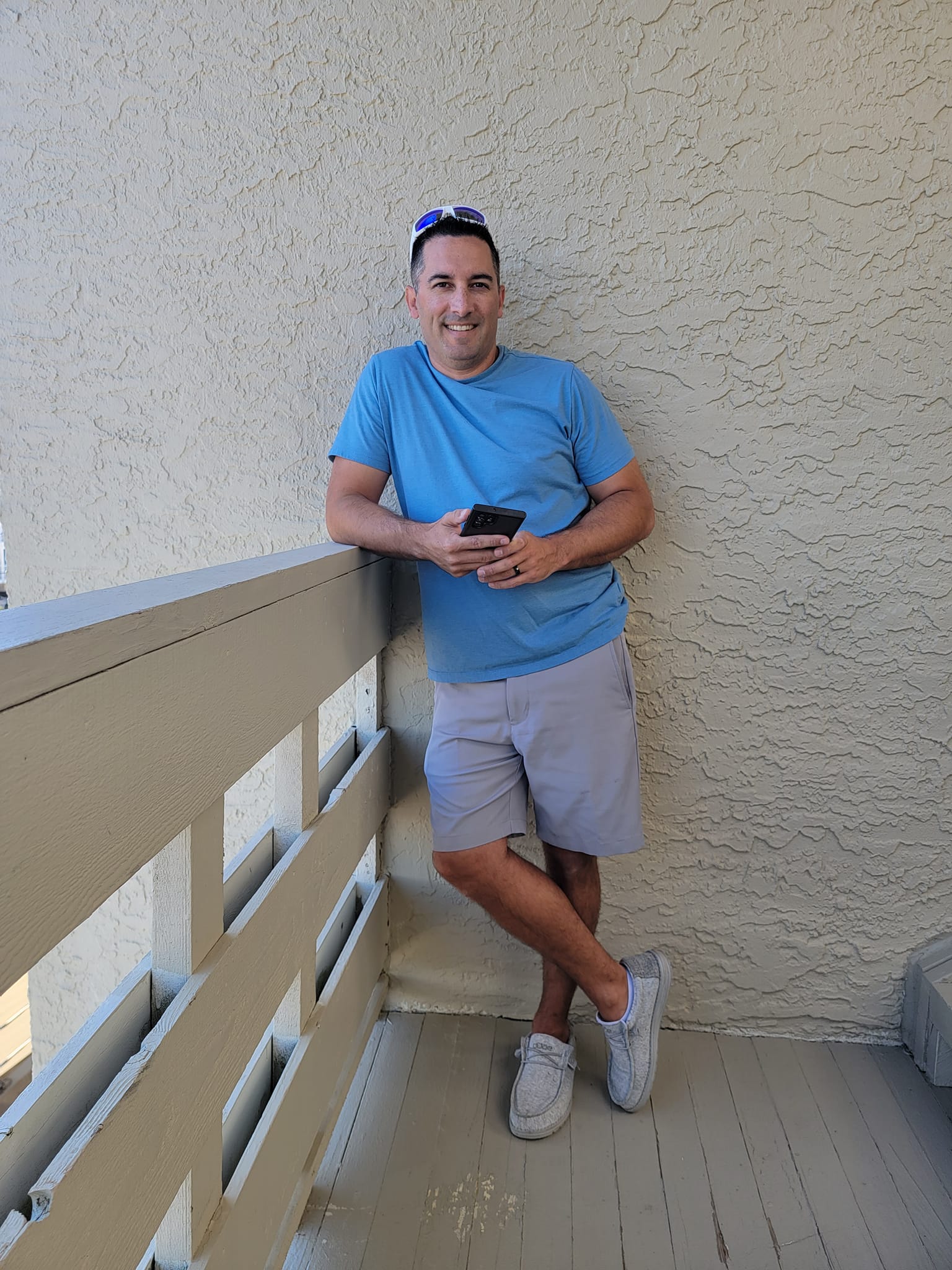
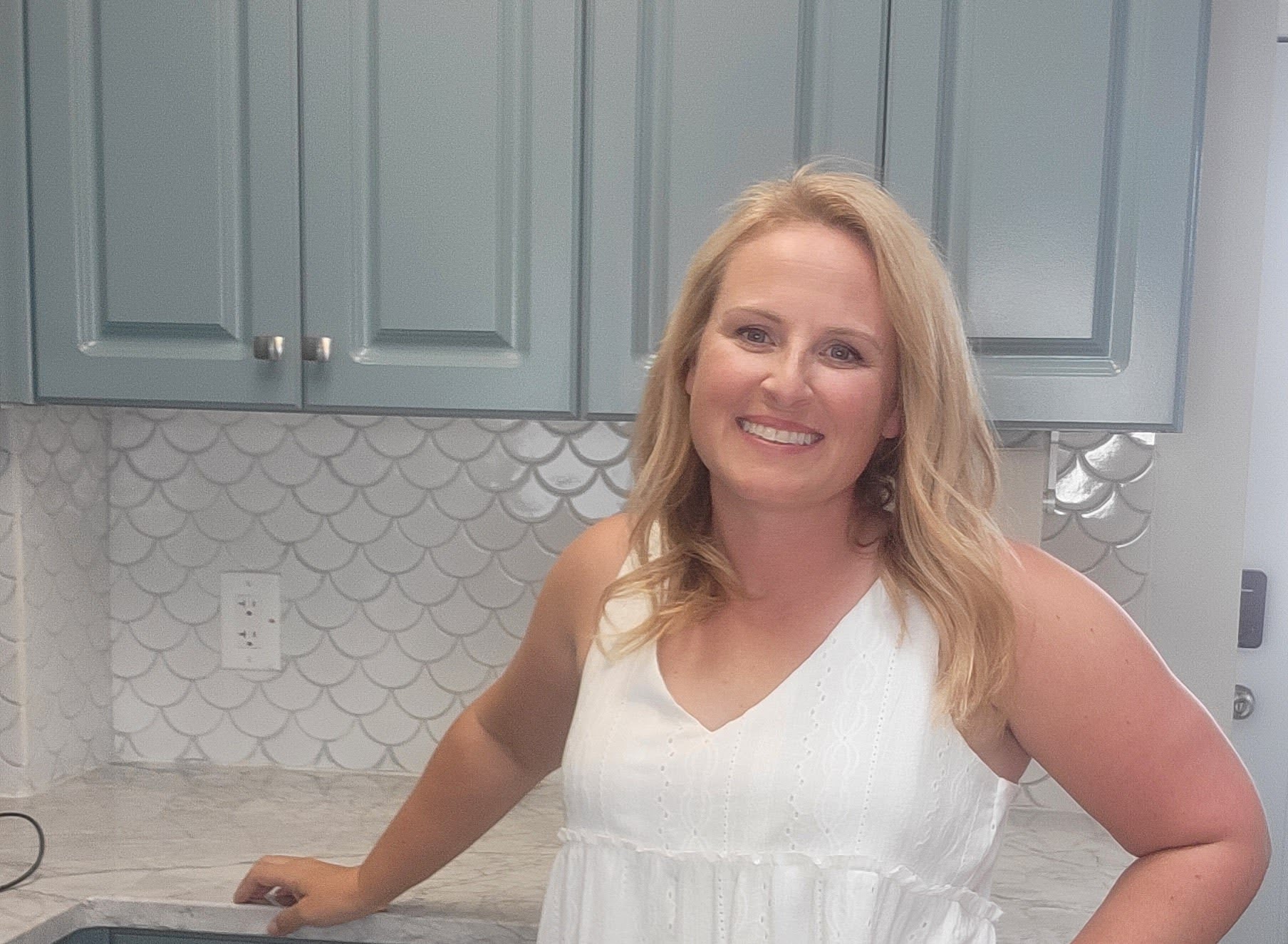
Have Dave Davis confirm current financing terms and Kelly Davis pull certified unit-level rental histories, HOA documentation, and cost segregation estimates for any Gulf Shores or Orange Beach property.

Book a 1-on-1 Clarity Call

Discuss 1031 exchange replacement properties, target DSCR yields, and self-management setups with Dave Davis.

๐Ÿ“… Schedule 15-Min Strategy Call

Get Custom Pro-Formas & Tax Estimates

Submit your criteria to receive tailored property pro-formas.

Meet the Experts

We didn't just move here - we built our lives here. And now we help other families do the same.

Kelly Davis
Team Lead

Kelly Davis

Associate Broker & Team Lead

Kelly is the heart and engine of Big Beach AL Team. She pairs coastal market knowledge with creative marketing and helps buyers and sellers make confident moves on the Gulf Coast.

Dave Davis
The Numbers Guy

Dave Davis

Lending Specialist & Realtor

Dave brings the financing brain to the table, helping buyers understand payments, carrying costs, rental projections, and the real numbers behind a beach property before they write an offer.

Kerri Nicketta
Buyer's Agent

Kerri Nicketta

Expert Buyer Specialist & Lead Buyer's Agent

Kerri is the team's go-getter for showings, tours, and buyer follow-through. She keeps the process moving and helps clients compare properties with clear, on-the-ground context.